.svg)

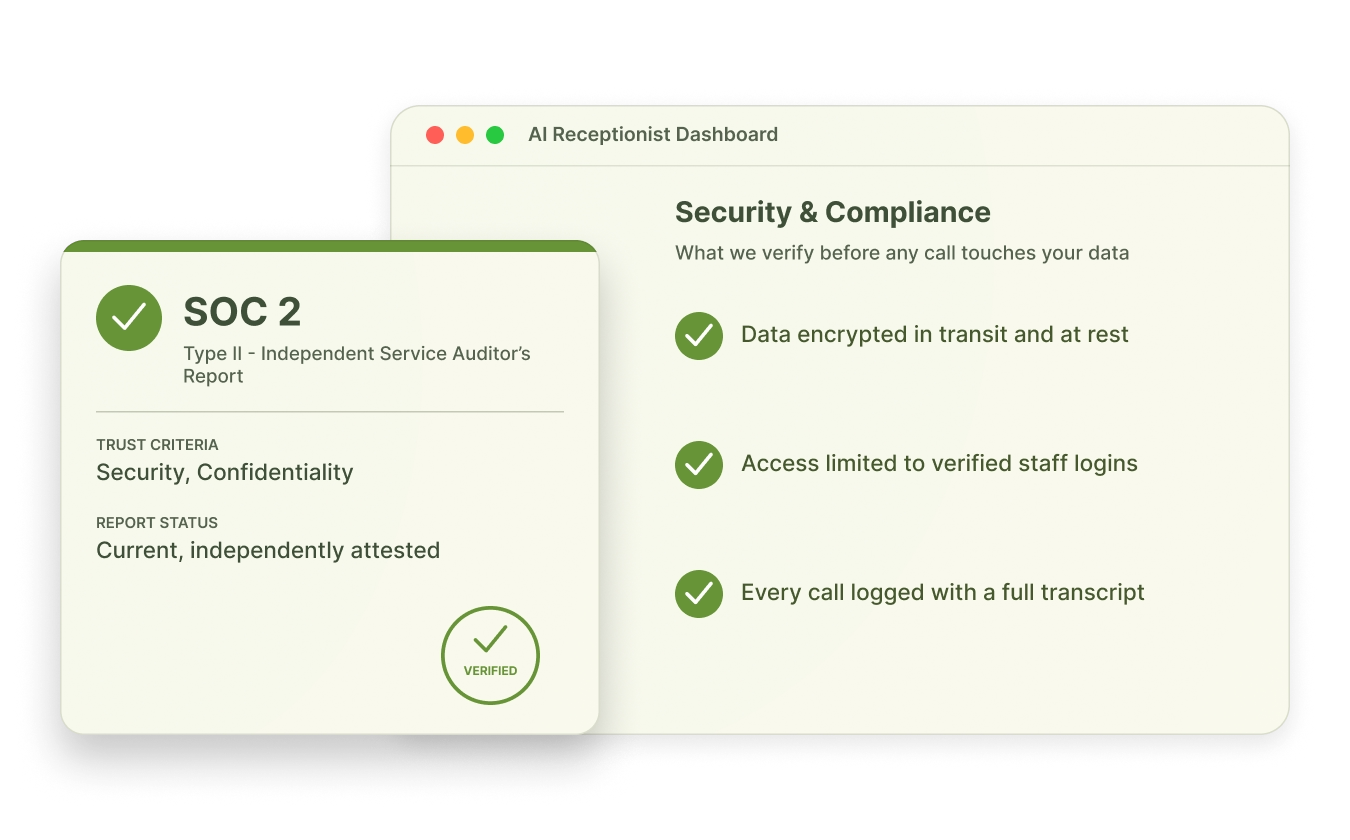
An AI receptionist can be SOC 2 compliant, but "compliant" isn't a badge the vendor hands itself. It's an independent attestation that the vendor's controls for protecting customer data meet the AICPA's SOC 2 criteria. So the real answer to "is an AI receptionist SOC 2 compliant?" is: ask for the report and read what it covers. For an insurance agency, AI receptionist SOC 2 compliance is a gating question, because the tool touches policy data, personal information, and recorded calls.
This post lays out what SOC 2 actually means, what else to verify beyond it, and the specific questions to put to any AI vendor before it goes near your client records. Security here isn't a feature comparison. It's the thing that has to be true before the rest of the evaluation matters.
Key Takeaways
- "SOC 2 compliant" means an independent auditor has attested that a vendor's data-protection controls meet the AICPA's SOC 2 criteria - ask to see the report.
- SOC 2 is necessary but not sufficient: also verify data storage, call-recording handling, and caller verification.
- NAIC guidance sets expectations for accountable, tested AI use that agencies and their vendors should meet.
- Every caller interaction should be logged with a transcript, and identity should be verified before any policy detail is shared.
- Security is a gating requirement - confirm it before comparing features, not after.
Is an AI receptionist SOC 2 compliant?
It depends on the vendor, and the only way to know is to ask for the SOC 2 report and check that it's current. SOC 2 is a reporting framework from the AICPA that evaluates how a service organization protects customer data across criteria like security, availability, and confidentiality. The AICPA's SOC 2 framework is the authoritative description. A vendor that says it's "SOC 2 compliant" should be able to produce a report from an independent auditor, not just a claim on a webpage.
For agencies, this sits inside a broader data-security duty. An AI receptionist handling calls is processing the same sensitive information your agency operations already protect, so the vendor's posture becomes part of yours. Our practical checklist of SOC 2 and GDPR questions to ask an AI vendor is the companion to this post, and our guides on AI receptionist client data security and data compliance every agency must know cover the wider obligations.
Vetting an AI vendor's security? → Talk to Sonant
What to ask for, and what it proves
SOC 2 is the anchor, but a thorough review covers more. Here's what to request and what each item actually tells you.
The last two rows are where insurance-specific risk lives. A generic answering tool might have a fine SOC 2 report and still hand policy details to whoever calls in claiming to be the client, which is why caller verification and identity verification belong in the same conversation as SOC 2.
What to evaluate beyond the SOC 2 report
A SOC 2 report is the starting line. The AICPA's description of the audit criteria tells you what was audited, but you still need to read the scope and the report date, because an old report or a narrow scope doesn't cover much. Ask which trust criteria were included and when the last audit closed.
Then layer on insurance-specific governance. The NAIC model bulletin on the use of AI systems sets expectations that AI be tested, documented, and accountable, and it's the reference most state departments of insurance point to; a vendor should be able to speak to how its system is monitored against those expectations. Because much of this is about protecting policyholder information, the Insurance Information Institute is a useful backdrop on the data-protection and fraud risks that make this diligence worth doing. And don't skip call-recording specifics: our guide on insurance call recording compliance and on protecting client PII covers the retention and consent details that a SOC 2 report alone won't answer. Pull it all together with our buyer's checklist when you're ready to decide.
How Sonant fits
Sonant is built for agencies that treat security as a gate, not a footnote. It verifies a caller's identity against AMS data (name, date of birth, policy or coverage type, with an optional custom "stump question") before sharing any policy detail, and if the caller can't confirm, it won't proceed; it routes to a person. Every attempt is logged with a full transcript, so there's an auditable record of who was told what.
On documentation and governance, Sonant writes the note and transcript back to your AMS, which gives you the audit trail regulators and the NAIC guidance expect. It's also honest about scope: Sonant handles routine calls end to end and routes licensed decisions to your staff, the line we describe in what AI should handle vs a licensed agent. If you want to review the specifics for your own diligence, start with our SOC 2 and GDPR vendor questions and the AI receptionist for insurance agencies overview, then bring your security questions to a demo.
Want to see the security controls up close before you decide? Talk to Sonant →
Related reading
- SOC 2 and GDPR questions to ask an AI vendor
- AI receptionist client data security
- Data compliance every insurance agency must know
- Can an AI receptionist verify callers before sharing policy info?
- How to choose an AI receptionist vendor
- AI virtual receptionists in agency operations
- Insurance call recording compliance






.svg)

.svg)


