.svg)

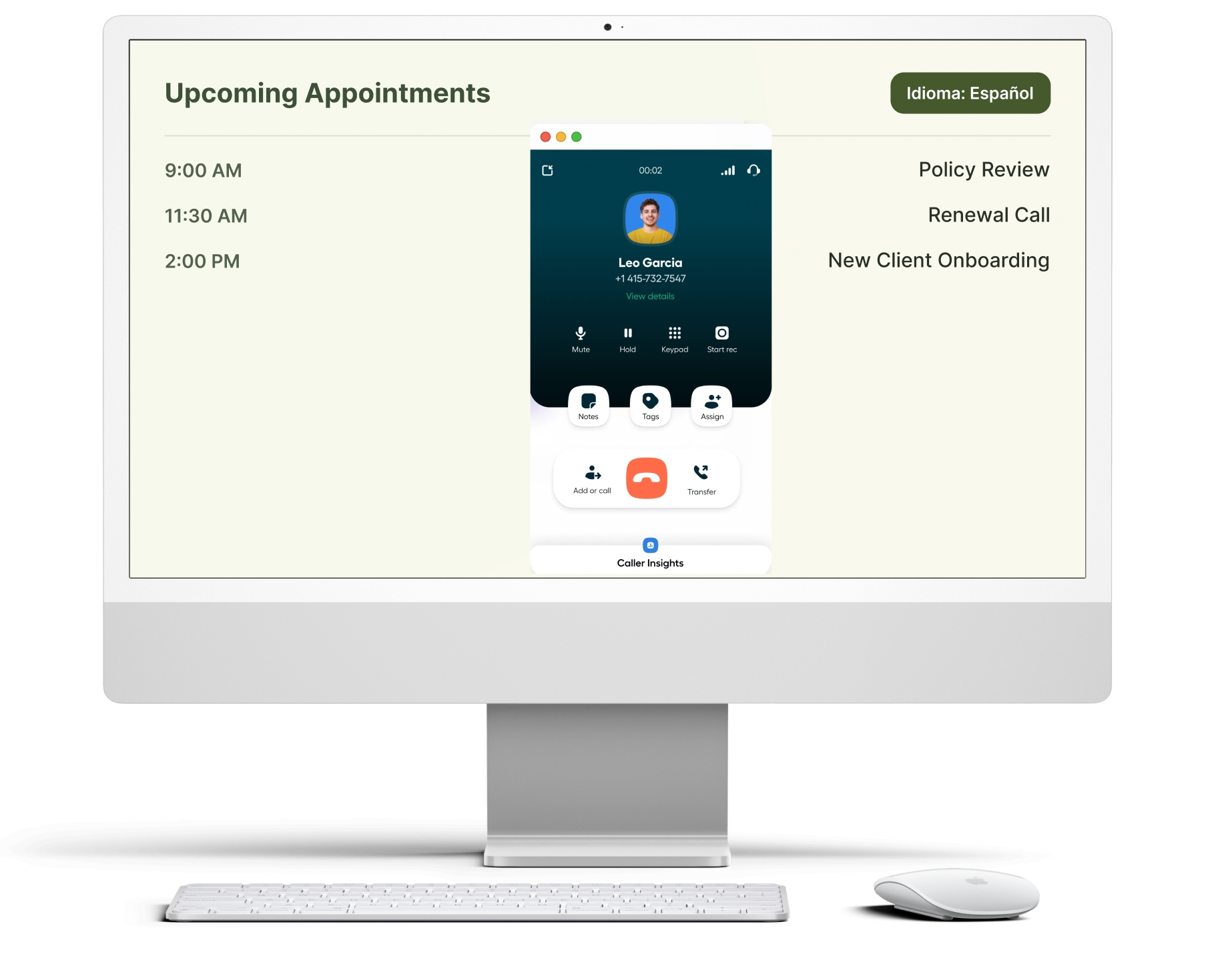
A bilingual AI receptionist handles the entire conversation in Spanish (greeting, intake, carrier links, and follow-up) rather than routing the caller to a menu or a callback. It remembers each client's language preference, so the next time they call it starts in Spanish automatically, and it writes the call note back to your AMS exactly as it would for an English call. A bilingual AI receptionist for insurance gives you consistent Spanish coverage on every line, every hour, without depending on the one or two team members who happen to be bilingual.
That dependence is the real problem for a lot of agencies. Spanish-speaking clients are a growing share of the book, and when coverage rests on a single bilingual CSR, one person's day off becomes a service gap, and that person burns out being pulled into every Spanish call. An AI receptionist spreads that load so it isn't on any one person.
Key Takeaways
- A bilingual AI receptionist handles the full conversation in Spanish, not a "press 2" menu or a promise to call back.
- It remembers each client's language preference and opens in that language on the next call.
- Spanish calls get the same treatment as English ones: carrier links texted, notes and tasks written to the AMS.
- It removes the reliance on one or two bilingual staff members, so a day off doesn't become a coverage gap.
- Routine bilingual calls are handled end to end; anything needing a licensed decision routes to a person.
Bilingual AI receptionist: how it handles Spanish-speaking callers
When a Spanish-speaking client calls, the AI conducts the whole conversation in Spanish: it understands the request, collects what it needs, and completes routine tasks like texting the right carrier payment or claims link. It isn't translating a rigid script; it's holding a real conversation. And it saves the client's language preference, so a returning caller is greeted in Spanish without anyone flagging the file. This is the same end-to-end handling described in our AI receptionist for insurance agencies overview, applied to Spanish calls.
For agencies serving diverse communities, that consistency is the point. Language shouldn't decide whether a client gets answered on the first ring, and building it into your phones is a practical step in boosting multilingual support and in the broader work of improving customer service. If you're weighing options, our best bilingual answering solutions roundup compares the approaches, and the best virtual assistant for insurance guide covers where AI fits versus staffing.
Spanish coverage riding on one CSR? → Talk to Sonant
Ways agencies cover Spanish calls
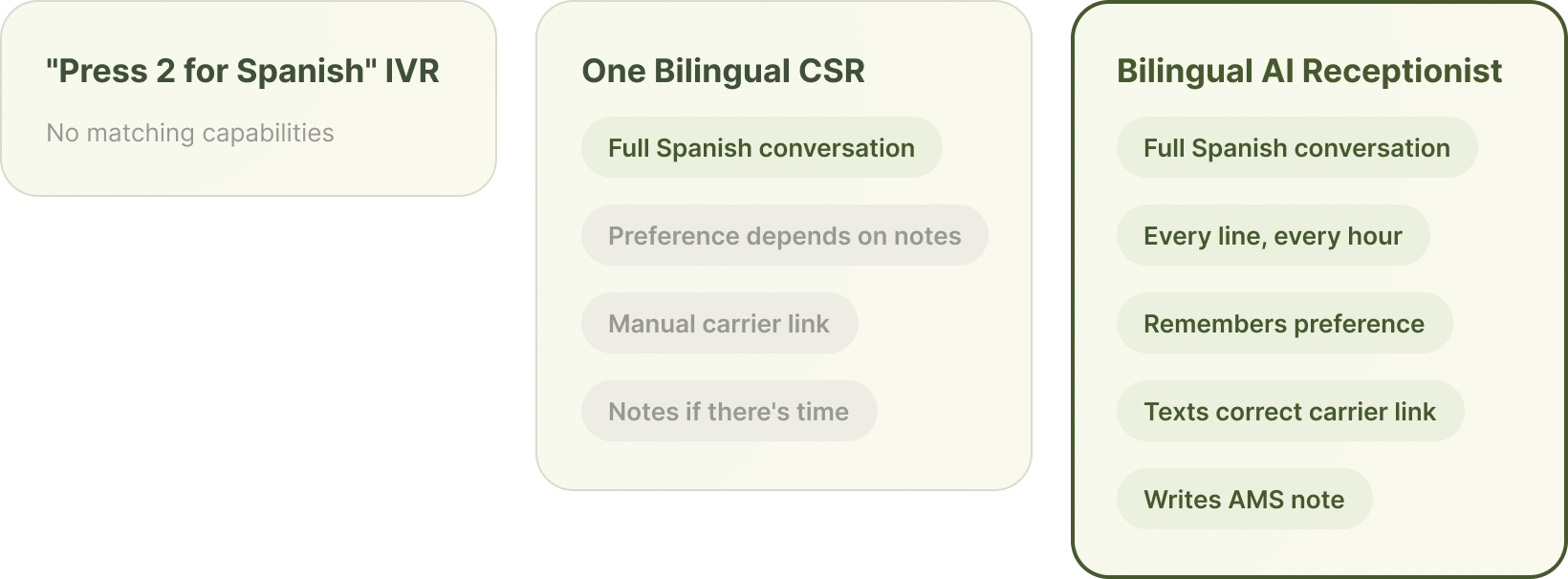
Here's how the common approaches compare on what a Spanish-speaking client actually experiences.
An IVR menu just sorts calls; it doesn't help anyone in Spanish. A single bilingual CSR is genuinely good (a human is better on a complex, emotional call in any language) but that person can't be on every line at once and can't work every hour. The AI covers the routine volume so your bilingual staff are freed for the calls that truly need them.
What to evaluate in a bilingual answering option
Start with data handling, because a Spanish call carries the same personal and policy information as any other. Ask for a SOC 2 report, the standard attestation for how a service organization protects customer data, detailed in the AICPA SOC 2 framework. Bilingual handling shouldn't come with a weaker security posture.
Then check governance and fairness. Regulators expect AI systems to be tested and accountable, and the NAIC model bulletin on the use of AI systems is the reference most states point to, worth confirming the vendor can show consistent handling across languages. On the market side, the Insurance Information Institute is a useful reference for understanding the communities and coverage lines your Spanish-speaking clients fall into. Finally, confirm the practical mechanics: does it verify callers the same way in Spanish (see caller verification), and does it write the note back to your AMS like any other call?
How Sonant fits
Sonant handles a full conversation in Spanish and remembers the client's language preference for next time, so returning callers are greeted in their language automatically. A Spanish call gets the same treatment as any other: the AI detects the caller's carrier and texts the matching payment or claims link, and it writes a note plus a task with the transcript back to your AMS. It works during the day for overflow and after hours, so Spanish-speaking clients aren't the ones who get voicemail.
This is coverage, not replacement. A human is still better on a complicated, emotional call, and your bilingual team members are exactly who should take those. Sonant handles routine bilingual volume end to end and routes licensed decisions to staff, which is the line we draw in what AI should handle vs a licensed agent. Spreading the Spanish load off one or two people also protects them from the burnout that drives turnover, a real factor in why insurance staff quit. For the wider picture, see AI phone answering for insurance agencies.
Want consistent Spanish coverage on every line? Talk to Sonant →
Related reading
- Best bilingual answering solutions for insurance agencies
- Boost your agency's multilingual support
- Best virtual assistant for insurance
- How AI receptionists text carrier-specific payment links
- Does an AI receptionist log call notes to your AMS?
- AI receptionist for insurance agencies
- Why insurance staff quit






.svg)

.svg)


